


If your diesel has thrown P229F, P2200, P2201 or one of their subcode variants (P229F-91, P2201ED and friends), a NOx sensor is talking — or rather, has stopped talking properly. These codes dominate our diary, and Mercedes owners see them most of all: Vitos and Sprinters wear them almost as a badge of ageing.
Which sensor is which
Most SCR-equipped diesels carry two NOx sensors: sensor 1 upstream of the SCR catalyst, sensor 2 downstream. Broadly, the P2200 family (P2200–P2204) points at sensor 1’s circuit and signal, while P229F and its relatives concern sensor 2 — the one that checks the catalyst’s homework. The subcodes (range, performance, heater, circuit) describe how the sensor is misbehaving, but the practical meaning is usually the same: the reading can no longer be trusted, and the ECU stops believing its own emissions numbers.
Why these sensors fail so predictably
A NOx sensor is a fragile ceramic element screwed into the harshest environment on the vehicle. Exhaust moisture condenses in it every time the engine cools; the next heat cycle stresses the ceramic; vibration does the rest. Five to eight years is a normal lifespan regardless of mileage — which is why so many fail on vehicles that have “hardly done anything”. They also age together, so the second sensor typically fails within a year or two of the first being replaced.
What it costs to keep replacing them
Genuine sensors run £300–£600 fitted, per sensor, and they are frequently on back order. Two sensors over two winters is easily £1,000 — on top of the diagnostic time each visit. On a newer vehicle under goodwill, replacement can still be the right call. On anything older, you are buying the same failure twice.
The permanent route
Our NOx sensor delete reprograms the ECU so it no longer depends on the failed sensor — codes, warnings and any countdown clear at source. It is usually done as part of a full AdBlue delete, since the sensors exist to serve the SCR system. Software only, nothing unbolted, from £250 with a lifetime warranty, at your home or workplace.
We test both sensors against manufacturer values before recommending anything, so you’ll know whether yours is a one-off failure worth repairing or the start of the cycle. Send the reg and the code — the advice is free and straight.
Related Articles
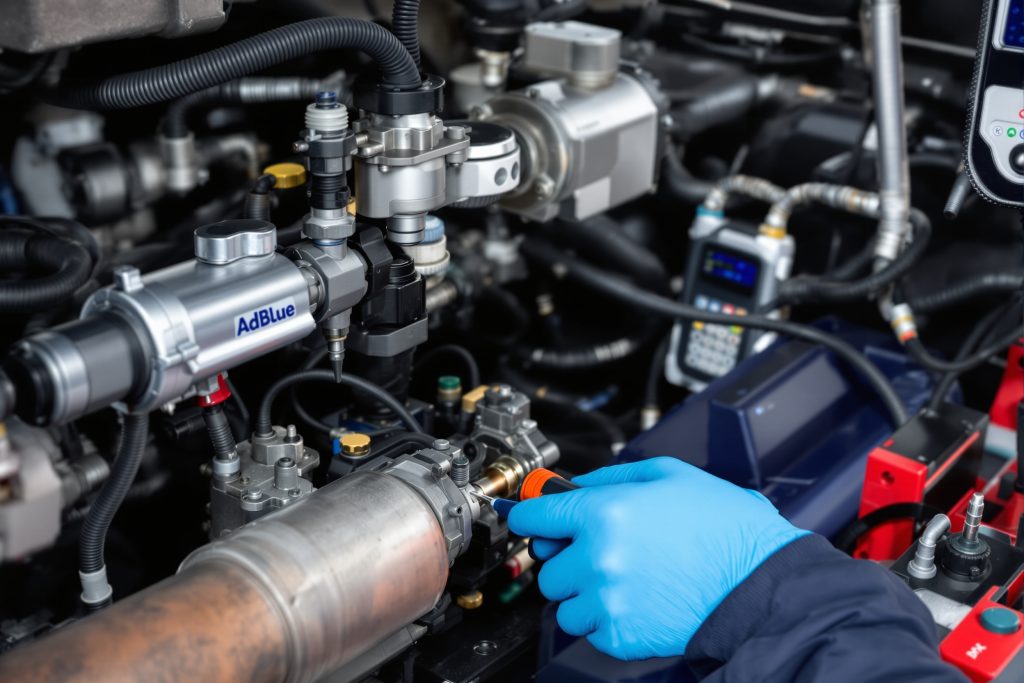
P20E8 and P204F: When AdBlue Pressure and Dosing Go Wrong
P20E8 (pressure too low) and P204F (system performance) explained — crystallisation, pumps and injectors, what a proper diagnosis looks like and the fix options.
Read article
P20EE Fault Code: What It Really Means and How It Gets Fixed
P20EE means the SCR catalyst isn't cleaning NOx the way the ECU expects. What's actually behind it, why the part swap so often fails, and the…
Read article
Is an AdBlue Delete Legal in the UK? What You Need to Know
Straight answers on the legal position of AdBlue and emissions changes in the UK — MOT and road use, off-road/export use, and the sensible options for…
Read article